Wellingborough: 01933 443111
Kettering: 01536 410438
How to make your home look and feel more spacious
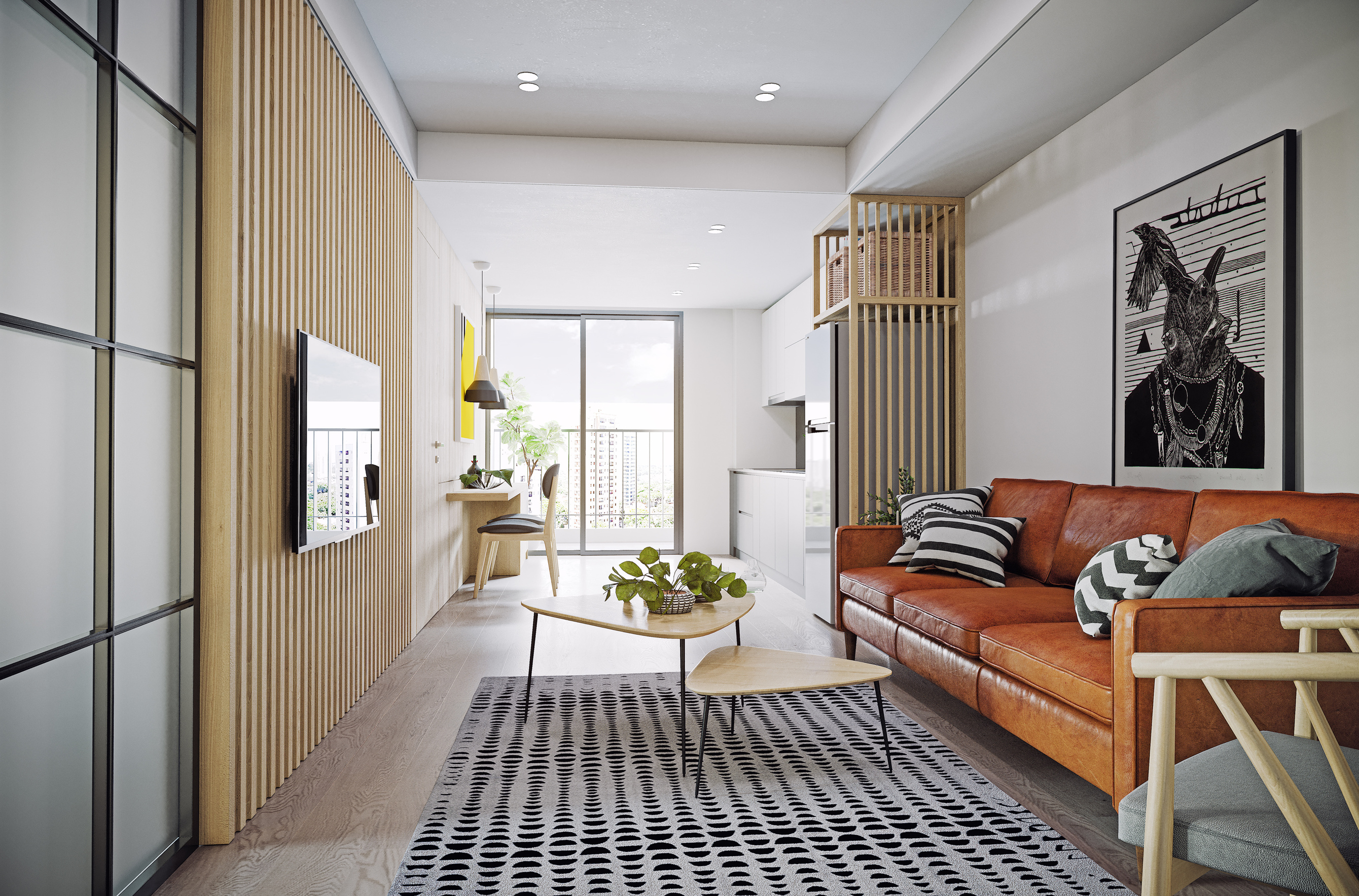
You do not need a bigger home to feel like you have more space. Most of the time, the issue is not square footage. It is how the room is arranged, how the light moves through it, and how much clutter is quietly closing things in. A few deliberate changes can make a room feel twice the size without touching a single wall.
Start with what you do not need
The fastest way to make any room feel bigger is to take things out of it. Not everything, just the things that are there out of habit rather than purpose. The stack of magazines nobody reads. The chair nobody sits in. The ornaments that stopped sparking joy two house moves ago.
Go room by room and ask yourself: does this earn its place? If not, it goes. Sell it, donate it, recycle it. The less visual noise a room has, the more your eye can travel, and that is what makes a space feel open.
Keep furniture low and light
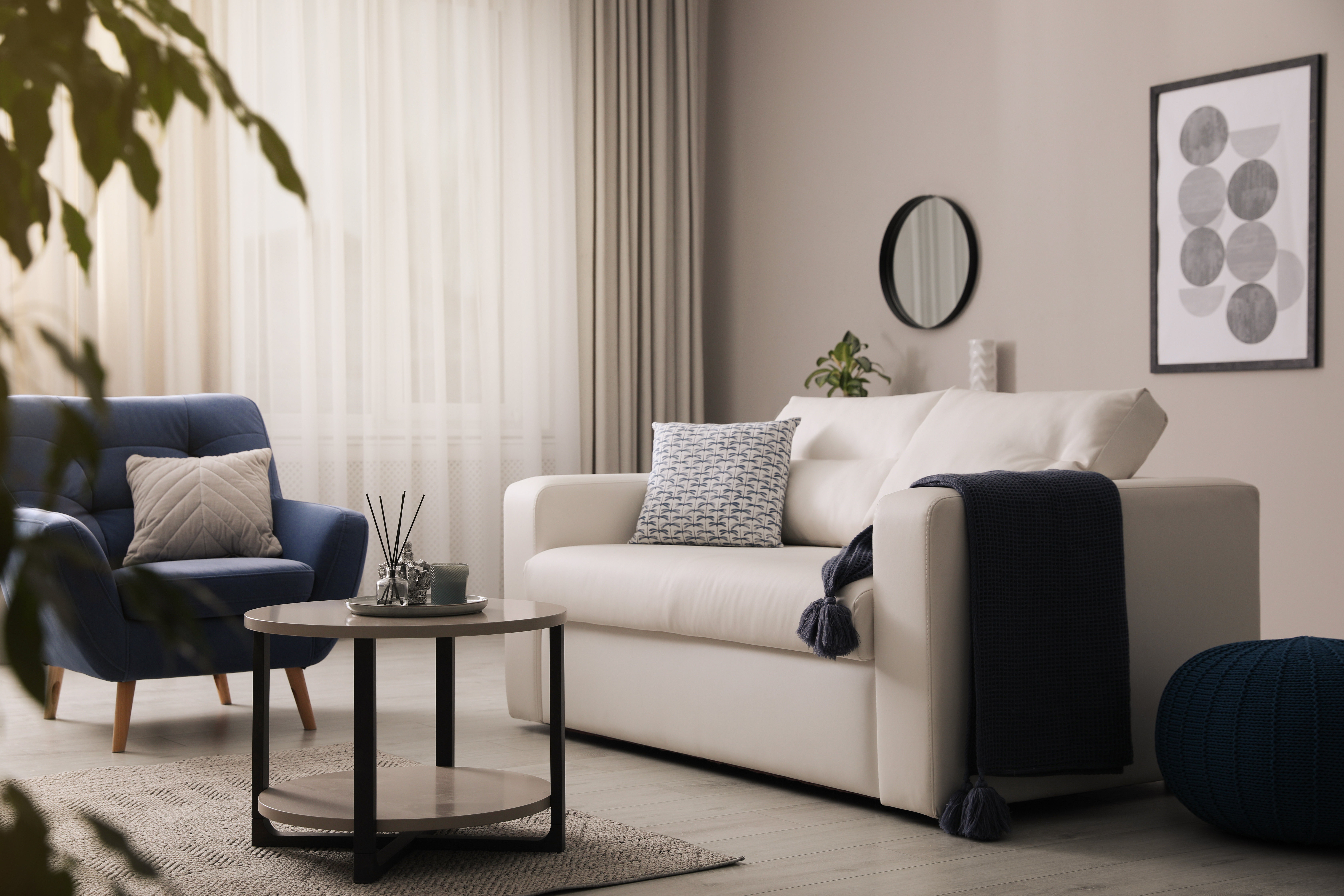
Heavy, dark furniture absorbs light and anchors the eye downward. Lighter pieces, especially those with exposed legs, let air and light flow underneath and around them. A sofa on tapered legs feels less like a block than one that sits flat on the floor. A glass or open-frame coffee table does the same job as a solid one without taking up visual space.
Scale matters too. An oversized sofa in a small living room will dominate everything around it, no matter what colour it is. Choose pieces that fit the room, not the showroom.
Use colour to your advantage
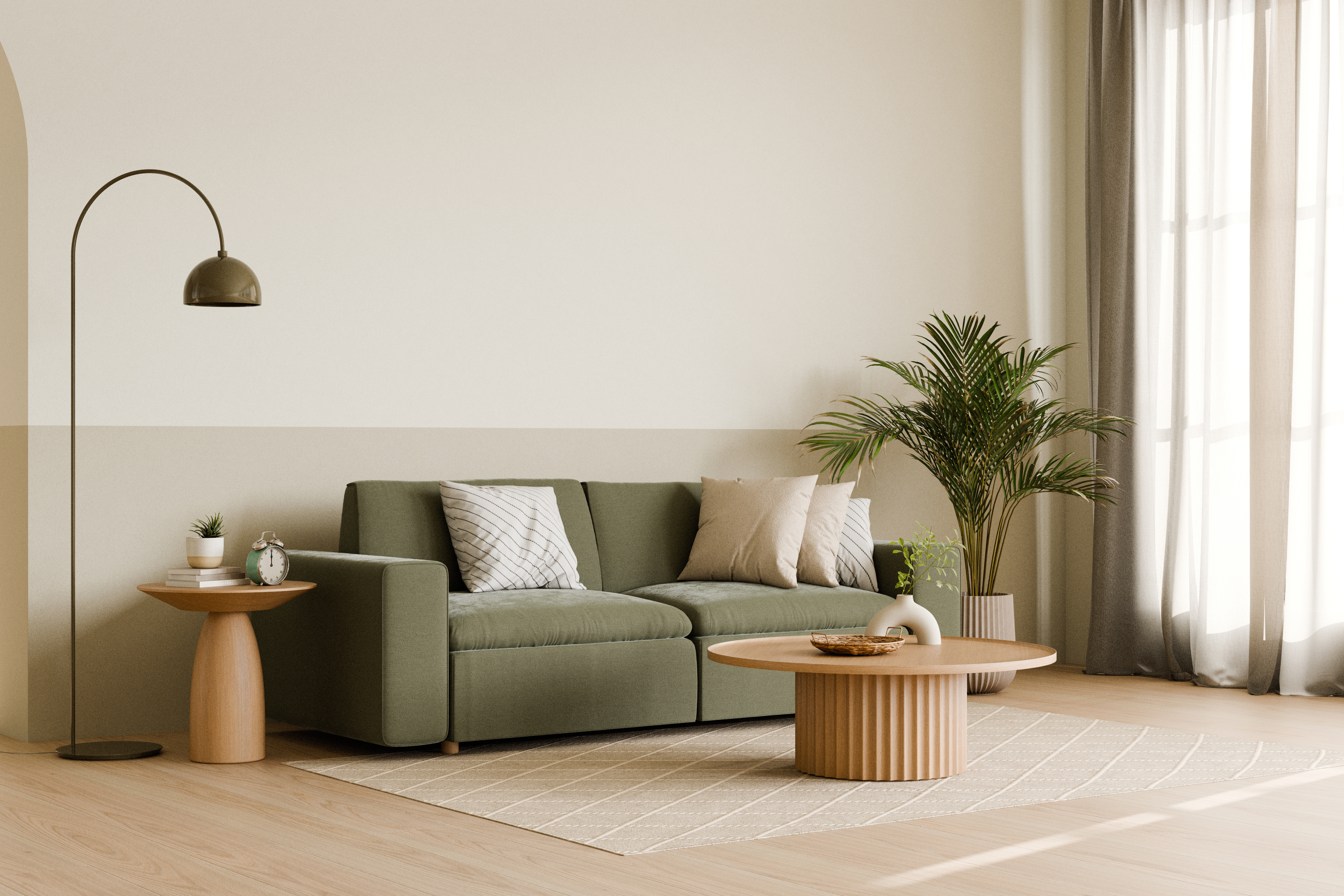
Light, neutral tones on walls and ceilings reflect more light and make a room feel larger. That does not mean everything has to be white. Warm off-whites, soft greys, pale greens, and muted stone tones all work well and feel far more inviting.
The key is consistency. When your walls, skirting boards, and ceiling sit in the same tonal family, the boundaries between surfaces soften and the room reads as one continuous space rather than a series of separate planes.
If you want to add colour, do it through soft furnishings, artwork, or a single accent wall. A room with a cohesive palette and a few well-chosen pops of colour always feels more spacious than one with six competing shades.
Let in as much light as possible
Light is the single biggest factor in how spacious a room feels. Pull curtains back as far as they will go. Choose blinds that stack neatly above the window frame rather than covering part of the glass. Clean your windows properly, inside and out, and you will be surprised how much more light gets through.
If natural light is limited, layer your artificial lighting. A single ceiling light creates harsh shadows and dead corners. A floor lamp, a table lamp, and a wall light working together fill the room more evenly and make it feel warmer and more open at the same time.
Mirrors help, too. A large mirror on the wall opposite a window bounces light back into the room and creates the illusion of depth. One well-placed mirror does more than three small ones dotted around.
Think vertically
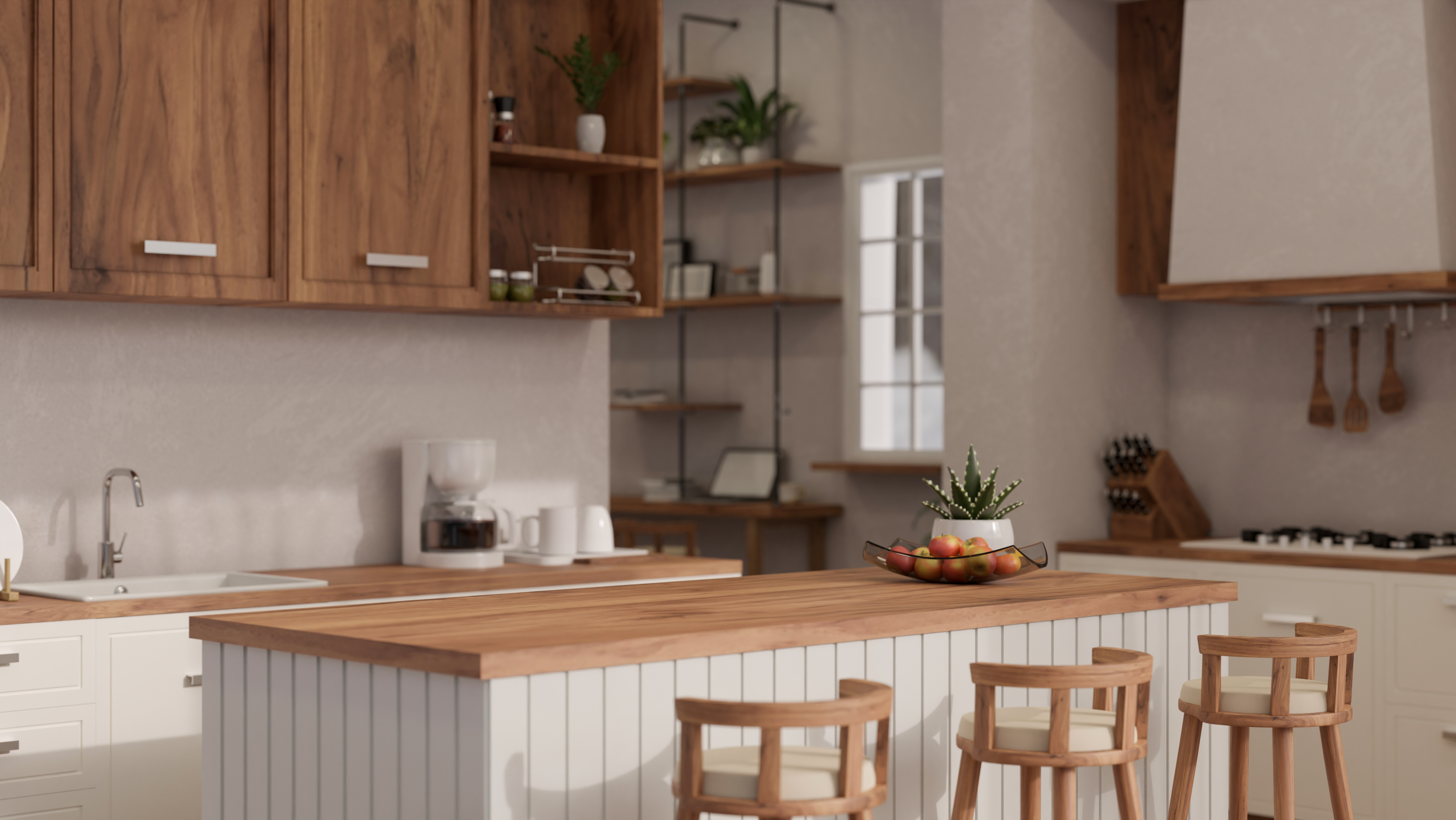
When floor space is tight, use the walls. Floating shelves keep books and display pieces off surfaces without adding furniture. Wall-mounted coat hooks, kitchen rail systems, and bathroom caddies all free up floor and counter space.
Mount your television on the wall instead of sitting it on a stand. Hang pots and pans in the kitchen if you have the ceiling height. The more you can lift off the floor and onto the walls, the more open the room feels underfoot.
Choose furniture that does more than one job
In a smaller home, every piece of furniture should earn its place. A bed with built-in drawers underneath removes the need for a separate chest of drawers. A dining table that folds down against the wall gives you the room back when you are not eating. An ottoman that opens for storage doubles as a coffee table and a place to keep blankets.
The fewer individual pieces you need, the less cluttered the space, and the more room you have to actually live in it.
Use hidden storage to keep surfaces clear
Clear surfaces make a room feel calm and open. Built-in cupboards, under-stair storage, and fitted wardrobes all tuck belongings away without adding visual bulk. If you are short on built-in options, choose freestanding storage that blends with the walls. A tall cupboard painted the same colour as the wall behind it all but disappears.
The same principle applies to smaller things. A tray on the kitchen counter corrals the oil, salt, and pepper into one neat group instead of four separate objects. A basket by the front door catches keys, letters, and loose change. Small moves, but they add up.
Do not forget the floor
A clear, unbroken floor line makes a room feel bigger. In open-plan spaces, use the same flooring throughout rather than switching materials at every threshold. If you use rugs, choose one large rug that anchors the seating area rather than several small ones, which break the room into visual sections and make it feel smaller.
Contact us
Looking for a home that gives you the space you need? Browse our property search or get in touch with your local Guild Member for help finding your next home.

The Guild is a UK-wide network of hand-selected independent estate agents across the UK. Whether you are buying, selling, letting, or renting, explore where our Members are.